
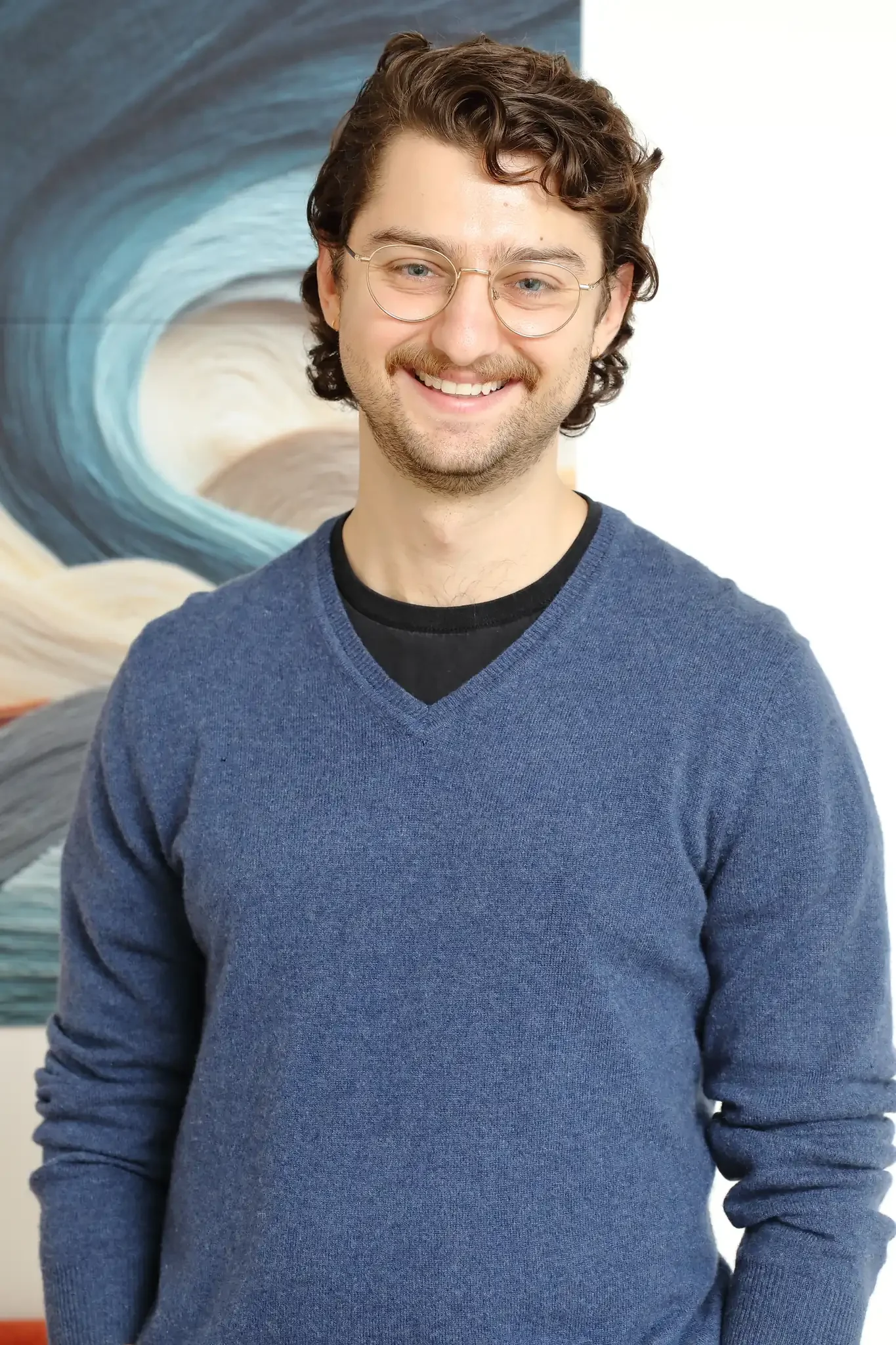
Doriel Jacov, JD, LCSW
Psychodynamic, Somatic, Trauma-Informed Therapy
I’m a licensed psychotherapist (LCSW) offering psychodynamic, somatic, trauma-informed therapy for adults, couples, and teens in New York City and across New York and Florida. My work is depth-oriented and relational — focused not just on what you’re currently dealing with, but on the patterns and histories that shape how you experience it.
Many of the people I work with are outwardly capable in ways that make the internal struggles harder for others — and sometimes themselves — to see. They’ve been “managing” for a long time and they come to therapy because that’s just not enough anymore. Common threads include complex trauma, anxiety, depression, recurring relationship patterns, and burnout in high-pressure environments.
I specialize in complex trauma and the treatment of survivors of childhood sexual abuse, including male survivors who often carry this experience alone for years beneath a surface of high functioning. I also support individuals navigating grief and loss, and offer LGBTQ+ affirming therapy.
A Unique Perspective on High-Pressure Lives
Before becoming a psychotherapist, I practiced corporate law. Over time, I realized that my professional path needed to align more fully with my interest in the emotional and interpersonal dimensions of human experience.
My background in high-stakes professional environments gives me an experiential understanding of burnout, performance pressure, and the particular strain that demanding careers can place on identity and relationships. It also allows me to hold both intellectual complexity and emotional depth in the therapy room. Because of this background, I also work with lawyers and other high-stakes professionals navigating the specific pressures of those environments.
My Clinical Approach
Therapy with me is a collaborative process, and I tailor my approach to your specific history and needs. My presence in the room is unhurried and attuned. I listen closely, follow your lead, and offer observations or reflections when they feel genuinely meaningful — not from a script, but from what's actually happening in the moment.
Rather than focusing solely on symptom reduction, we explore the underlying emotional and attachment patterns that shape how you experience yourself and others. I pay close attention to what unfolds within you — and within our work together — because these moments often illuminate the very dynamics you may want to change.
The goal is not to pathologize you, but to understand how your current patterns once helped you survive, and to create space for new ways of relating that feel more flexible and authentic.
My approach with individuals integrates Relational Psychodynamic Therapy, Internal Family Systems (IFS) therapy, Somatic Therapy, and trauma-informed treatment. I also incorporate Emotionally Focused Therapy (EFT) in my work with couples, and EMDR for targeted trauma processing when sufficient safety and relational groundwork are in place.
I’ve described each of these approaches below, including what they look like in practice.
-
My psychodynamic approach is contemporary and collaborative. We explore how early attachment experiences created templates for how you navigate intimacy, conflict, self-worth, and vulnerability today.
We focus not only on your history, but on the “here and now” of the therapy relationship. Feelings that arise in therapy often mirror feelings in the outside world. By working with these patterns in real time, we can shift unconscious dynamics that may be keeping you stuck.
-
Many people experience internal conflict: a part that pushes to succeed, a part that fears failure, a part that carries shame, or a part that withdraws to stay safe.
IFS is a non-pathologizing, compassionate framework that helps identify and understand these parts. Together, we work toward helping you lead from a steadier, more grounded internal center.
-
Trauma and chronic stress are not only psychological experiences. They are physiological ones. The nervous system often continues responding as if past danger is still present.
In addition to reflective dialogue, we integrate body-based awareness to help regulate the nervous system, reduce reactivity, and increase a felt sense of safety.
This work supports deeper integration of traumatic experiences and moves beyond solely trying to manage symptoms. It can also be helpful in managing burnout and chronic stress.
-
EFT is an evidence-based, attachment-centered approach to couples therapy. We identify the negative interaction cycle: often a pattern of pursuit and withdrawal, that leaves both partners feeling misunderstood or alone.
By helping each partner access and express the deeper emotions beneath reactivity, we work toward building a more secure and emotionally responsive bond.
-
EMDR is a structured, evidence-based approach to trauma processing that works by helping the brain reprocess distressing memories that haven't been fully integrated. These are memories that continue to shape how you feel, relate, and move through the world, even when you'd rather they didn't.
Unlike traditional talk therapy, EMDR doesn't rely primarily on language or narrative. Instead, it works through bilateral stimulation (typically eye movements or tapping) while you hold a distressing memory in mind. Over time, this process allows the memory to lose its charge, shifting from something that feels raw and present to something that belongs more fully to the past.
In my practice, EMDR is integrated within a relational, psychodynamic framework rather than used as a standalone protocol. I don't typically introduce EMDR early in the work. Instead, we build enough internal safety, relational trust, and self-awareness first. This is because EMDR works best when there's a stable foundation to return to. For many clients, that groundwork itself is where the most important early change happens.
When the time is right, EMDR can be a powerful tool for processing specific traumatic memories, including childhood abuse, neglect, and other early relational experiences that continue to live in the body and nervous system long after they've ended.
Education
Master of Social Work (MSW):Silberman School of Social Work, Childhood Trauma Program
Juris Doctor (JD):Columbia Law School
Undergraduate Degree:George Washington University
Training
Psychoanalytic Psychotherapy training at the William Alanson White Institute
Training in Trauma-Focused CBT (TF-CBT)
Training in EMDR at the Personal Transformation Institute (PTI)
Professional Memberships / Directories
Founding Member, Psychoanalytic Therapy Collective
Member, American Association for Psychoanalysis in Clinical Social Work
Member, William Alanson White Institute Sexual Abuse Service
Volunteer Clinical Work
Grief Specialist, Experience Camps
License Information
License: LCSW
License #: 101497
NPI #: 1982341368
Media & Press
Click here
Choosing a therapist is a personal decision. If something here resonates, I’d welcome the chance to connect. Reach out for a brief, no-pressure consultation.